Strip Casino Operators Pursue Private Ownership via Billion-Dollar Buyout Proposals
Written by Leon Patterson · Jul 9, 2026

Strip Casino Operators Pursue Private Ownership via Billion-Dollar Buyout Proposals
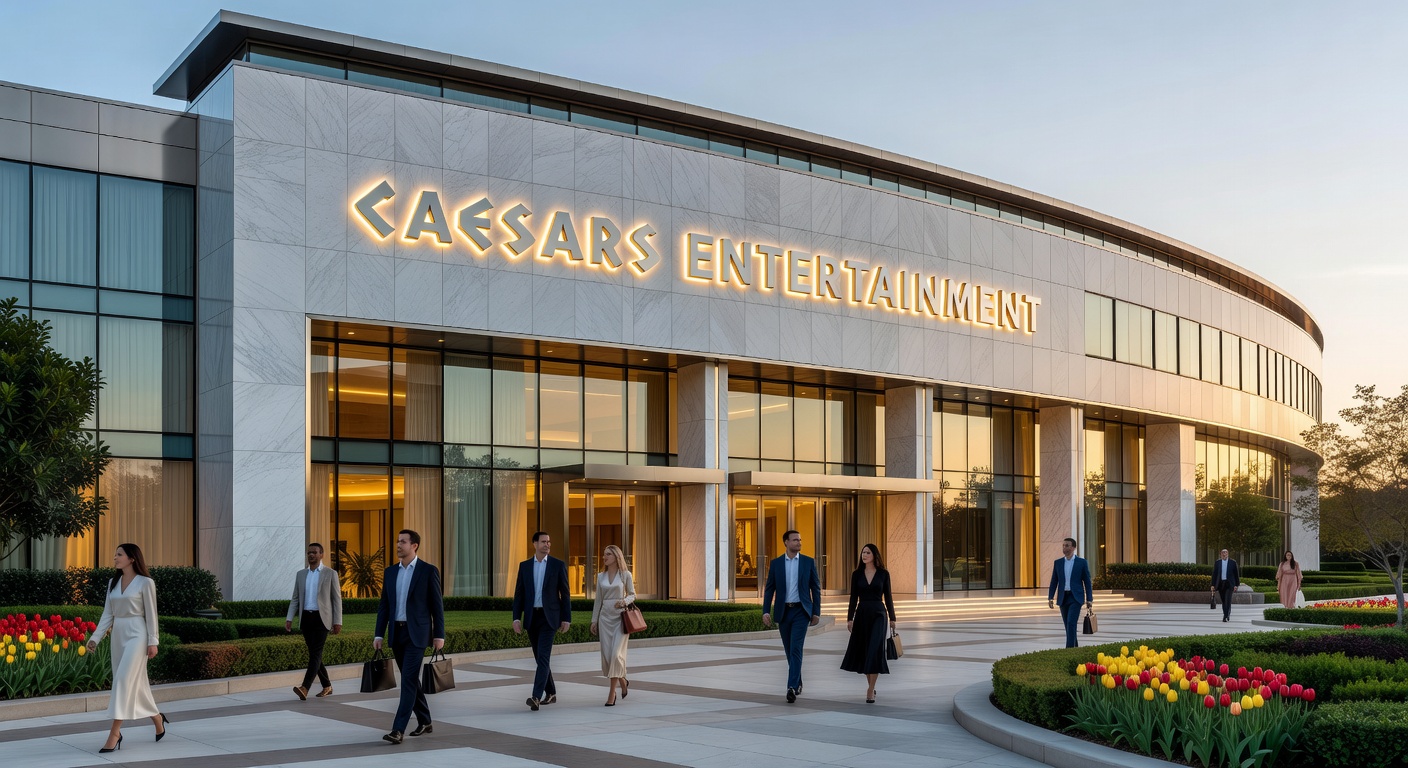
Billionaire Tilman Fertitta has put forward a $17.6 billion offer to acquire Caesars Entertainment and take the company private, while media mogul Barry Diller's People Inc. has proposed an approximately $18 billion deal to purchase MGM Resorts International, and both transactions would involve leveraged buyouts that remove these major publicly traded Strip operators from Wall Street oversight at a time when Las Vegas tourism and revenue trends show signs of moderation.
Details of the Proposed Transactions
The offers surfaced in quick succession, with Fertitta's bid targeting Caesars Entertainment first, followed by the People Inc. proposal for MGM Resorts International, and each deal would convert a publicly listed company into a privately held entity through significant debt financing, thereby shielding operational decisions from quarterly earnings pressures and public investor demands. These proposals remain subject to regulatory approvals along with thorough due diligence processes that must verify financials, operational structures, and compliance requirements before any closing can occur.
Context of Las Vegas Market Conditions
Las Vegas tourism and revenue trends have shown moderation in recent periods, and this environment coincides with the timing of the buyout proposals, which suggests that private ownership could allow management teams greater flexibility to navigate fluctuating visitor numbers, changing spending patterns, and evolving competitive dynamics without the constant gaze of stock market analysts. The two companies represent major Strip operators whose combined scale includes numerous resort properties, gaming floors, hospitality services, and entertainment venues that draw millions of visitors annually.
Observers note that removing these entities from public markets would shift focus toward long-term strategies rather than short-term performance metrics, and such transitions often involve adjustments to capital allocation, expansion plans, and partnership arrangements that might otherwise face scrutiny during earnings calls.
Regulatory and Approval Pathways
Both proposals must clear multiple layers of regulatory review, including gaming commission evaluations in Nevada and other jurisdictions where the companies operate, federal antitrust considerations, and financial oversight related to the leveraged structures involved in the buyouts. Due diligence periods will examine debt levels, asset valuations, litigation exposure, and integration feasibility, while any conditions imposed by regulators could alter deal terms or timelines.
People who have followed similar transactions in the gaming sector know that approvals can span several months and sometimes require divestitures or operational commitments, and the current proposals carry the same uncertainties until all reviews conclude. The deals would mark a notable shift for the Las Vegas Strip, where public ownership has long dominated major operators, and private status could influence future capital raises, real estate decisions, and responses to broader economic factors affecting travel and leisure spending.
Potential Operational Implications
Once completed, the transactions would place Caesars Entertainment and MGM Resorts International under private control, allowing Fertitta and Diller's entities to implement changes without immediate disclosure obligations tied to public filings. This structure often facilitates quicker responses to market shifts, such as adjustments in marketing strategies, property renovations, or workforce planning, although the high debt loads typical in leveraged buyouts require careful cash flow management to service obligations.
Those who've studied gaming industry patterns recognize that private ownership can insulate companies from volatility in stock prices driven by external events, and in this instance the moderating tourism trends provide a backdrop where such insulation might prove relevant. The proposals do not alter day-to-day operations immediately, yet they signal potential realignments in leadership priorities and investment horizons once regulatory hurdles clear.
Conclusion
The $17.6 billion Fertitta offer for Caesars Entertainment and the roughly $18 billion People Inc. bid for MGM Resorts International represent coordinated moves by major investors to take two prominent Las Vegas Strip operators private through leveraged buyouts, and these developments unfold against a backdrop of moderating tourism and revenue trends while remaining contingent on regulatory approvals and due diligence. Further updates will depend on progress through review processes adn any revisions that arise during negotiations or oversight evaluations.