North Fork Rancheria Casino Construction Forges Ahead Amid California Legal Clashes
Written by Felix Weber · Apr 20, 2026

North Fork Rancheria Casino Construction Forges Ahead Amid California Legal Clashes
The Latest Twist in a Long-Running Battle
Construction crews keep pushing forward on the North Fork Rancheria of Mono Indians' massive tribal casino project just outside Madera, California, even as the Supreme Court of California recently declined to review a lower court ruling that deemed the development unauthorized under state law; this decision, handed down in early 2025, effectively lets stand an appellate court's finding from 2023, yet federal approvals continue to drive the work ahead undeterred. Observers note how the tribe leans heavily on authority from the Indian Gaming Regulatory Act (IGRA), with key green lights coming from the U.S. Department of the Interior back in 2011 and 2012, followed by a solid federal court ruling in 2016 that upheld the entire endeavor. And here's the thing: while state-level opposition simmers, the project's momentum hasn't skipped a beat, with ground broken in 2024 and crews now deep into the build as of April 2026.
What's interesting about this saga is the clear clash between state and federal powers in tribal gaming, where IGRA sets the rules for tribes to operate casinos on their lands, but California law throws up roadblocks on off-reservation sites like this one about 50 miles north of Fresno. Experts who've tracked these cases point out that the North Fork Rancheria, a small tribe with roots tracing back centuries in the Sierra Nevada foothills, secured a site-specific agreement with the state back in 2015 after years of negotiations, only for local groups and neighboring tribes to challenge it repeatedly in court.
Federal Approvals: The Backbone of the Project
The U.S. Department of the Interior first approved the tribe's application for off-reservation gaming in March 2011, determining that the Madera site—once part of the tribe's ancestral territory—met IGRA's strict two-part test for exceptions to general location rules; then, in 2012, the department gave the final nod to the tribal-state compact itself, paving the way for casino operations. A federal district court in California reinforced this in 2016 when it rejected challenges from opponents, ruling that the Interior's decisions held up under administrative law standards, and higher federal appeals didn't overturn that stance.
Turns out, these federal layers create a shield that state courts can't easily pierce, since IGRA explicitly delegates authority to the secretary of the interior over such approvals; data from the National Indian Gaming Commission, which oversees IGRA compliance nationwide, shows hundreds of similar compacts in place across the U.S., many facing their own local pushback but proceeding nonetheless. For the North Fork Rancheria, this means construction rolls on, with steel frameworks rising and utilities being hooked up even as state justices passed on hearing the case last year.
California's Court Rulings and What They Mean
Lower California courts, starting with a Fresno County Superior Court decision in 2020, argued that the project violated the state constitution's restrictions on off-reservation casinos, a view the Fifth District Court of Appeal echoed in 2023 by invalidating the governor's concurrence on the compact; but the Supreme Court of California's denial of review in 2025 didn't touch the federal approvals, leaving those intact and operational. People familiar with these disputes highlight how opponents, including the Picayune Rancheria of Chukchansi Indians and environmental groups, focused on state law technicalities like voter approval requirements, yet federal supremacy under IGRA keeps the bulldozers moving.
So, while the state ruling creates uncertainty around any state-level licenses or environmental tie-ins, the tribe maintains that federal authority trumps it all, a position backed by precedents from other California tribal projects like the Enterprise Rancheria casino near Sacramento, which navigated similar hurdles. As of April 2026, site photos reveal substantial progress: grading complete, foundations poured, and initial superstructure in place, signaling no slowdown despite the legal noise.
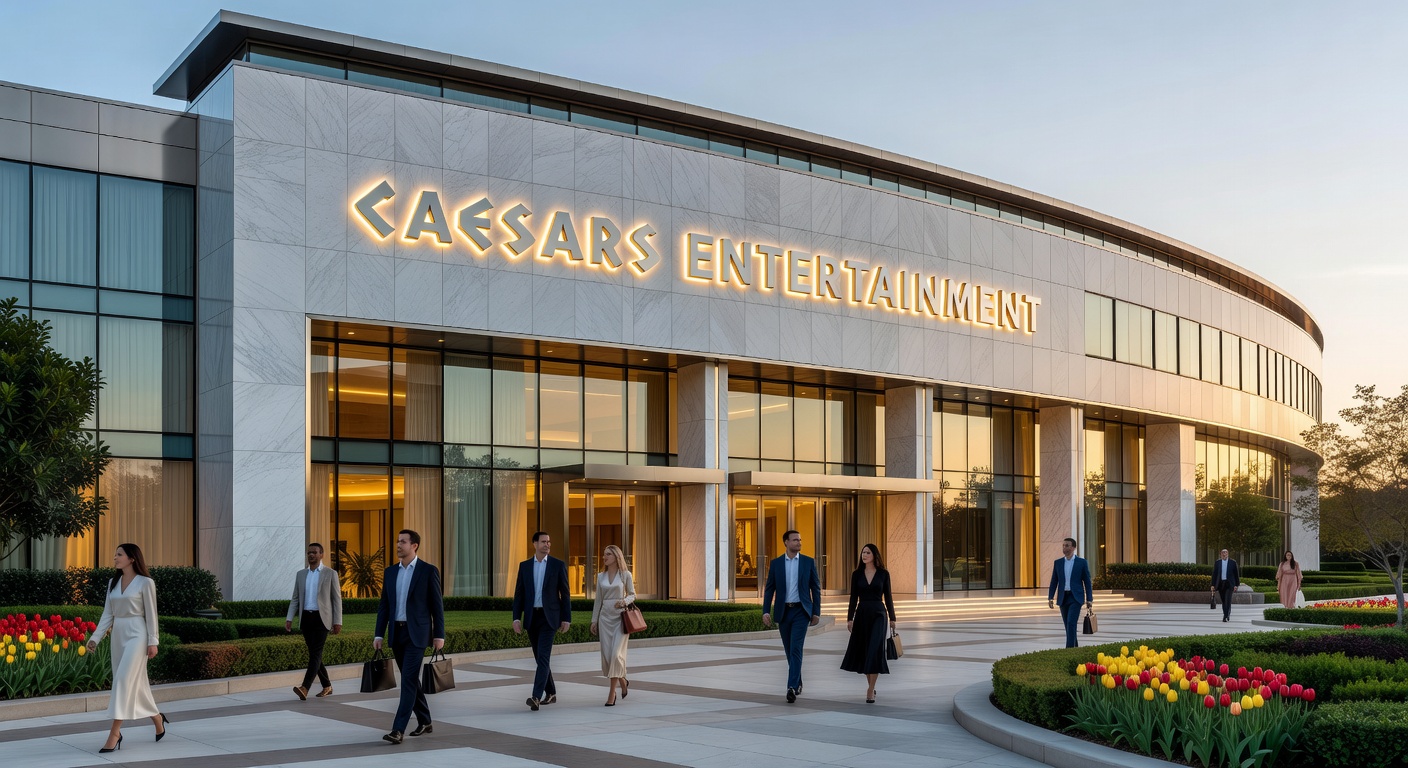
Inside the Planned Gaming Resort
This isn't just any casino; the North Fork Rancheria envisions a sprawling 100,000-square-foot facility packed with more than 2,400 slot machines, 40 table games ranging from blackjack to poker, and eight diverse dining options from quick bites to upscale steakhouses, all designed to draw crowds from Fresno, Yosemite visitors, and Central Valley locals alike. Construction kicked off formally in mid-2024 after years of pre-development wrangling, and figures from project filings indicate it will generate around 1,000 permanent jobs once open—positions in gaming, hospitality, maintenance, and management that promise steady paychecks in a rural area where opportunities can be scarce.
But here's where it gets interesting: the resort also plans non-gaming amenities like event spaces and possibly a hotel expansion down the line, aiming to blend gaming revenue with broader tourism draws; studies on similar tribal casinos, such as those compiled by the California Attorney General's office in compact impact reports, reveal how these developments pump millions into local economies through jobs, vendor contracts, and tribal contributions to schools and infrastructure.
Economic Ripple Effects and Local Stakes
Proponents, including the tribe and its development partner Station Casinos, emphasize the jobs bonanza—1,000 positions that could include training programs for tribal members and priority hiring for Madera County residents—while revenue sharing under the compact directs percentages to non-gaming tribes and state education funds, a model that's funded billions statewide since the 2000s. Observers who've studied Central Valley economics note how casinos like Table Mountain nearby have transformed communities, boosting tax bases without relying solely on slots and tables.
Yet opposition lingers, with nearby tribes citing market saturation and traffic concerns, alongside environmentalists flagging potential water use and wildlife impacts in the foothill location; still, federal environmental reviews under the National Environmental Policy Act cleared the site years ago, and construction adheres to those mitigated plans. Now, entering 2026, contractors report on schedule for a potential 2027 opening, weather and supply chains permitting, which would mark a win for federal-tribal partnerships amid state skepticism.
Ongoing Challenges and the Path Forward
Legal fights aren't over; opponents could pivot to new angles like zoning or federal permitting tweaks, but the tribe's federal court victories provide sturdy footing, and IGRA's framework has weathered countless such storms across states from Connecticut to Washington. One case that comes to mind involves the Jamul Indian Village's Hollywood Casino, where state resistance faded after federal nods, leading to a thriving operation today; similarly, North Fork leaders express confidence, pointing to daily progress photos and subcontractor hires as proof the project's destiny lies beyond state courts.
And in April 2026 specifically, crews hit key milestones like completing the parking garage foundation and installing core gaming floor HVAC systems, steps that lock in momentum regardless of judicial footnotes. That's the reality: federal law calls the shots here, and construction embodies that unyieldingly.
Conclusion
The North Fork Rancheria casino stands as a testament to the enduring tension between state restrictions and federal empowerment in tribal gaming, with construction surging ahead on a foundation of IGRA approvals, DOI decisions, and federal court affirmations that outlast California's latest rebuff. As the 100,000-square-foot behemoth takes shape—slots humming in blueprints, tables ready for action, jobs materializing one hire at a time—this project underscores how tribes navigate layered legal landscapes to realize economic visions; experts watching closely anticipate a ribbon-cutting that could redefine Central Valley gaming, jobs flowing and revenues shared, even if court echoes fade slowly in the background.